
Why Roofing Contractors Must Understand Coastal Corrosion in Monterey, CA
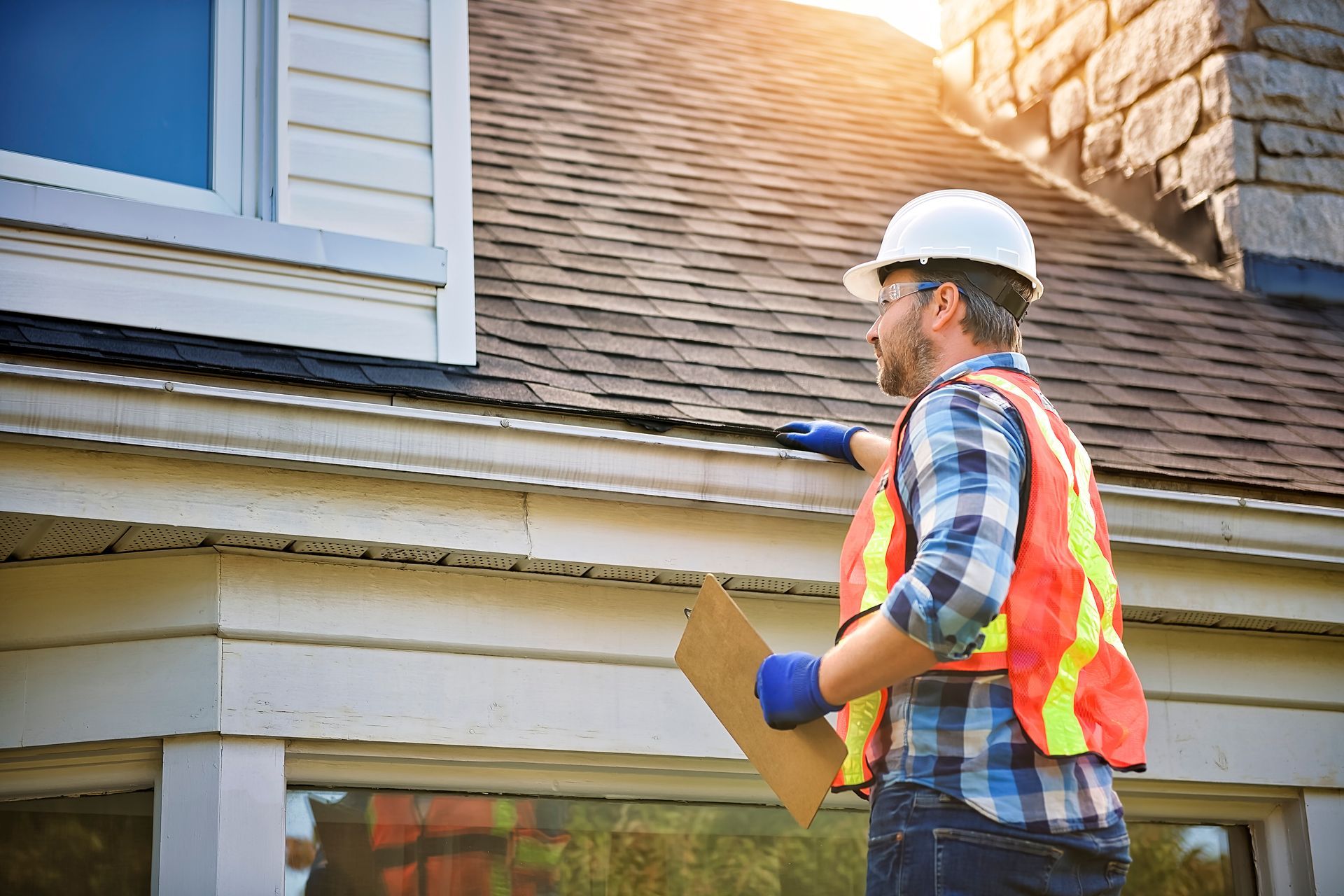
Choosing the right roofing contractors matters more than most homeowners realize. The salty air, morning fog, and high humidity that define the Monterey Peninsula are beautiful to live with, but they are quietly aggressive toward roofing materials not designed for the environment. Experienced roofers who understand coastal climate conditions may help extend a roof's lifespan significantly.
How Does Coastal Salt Air Damage a Roof?
Salt air is one of the most underestimated threats a roof can face. Salt particles carried by onshore winds land on roofing surfaces continuously, attract moisture, dissolve, and then reform as humidity shifts, creating a corrosive cycle that steadily attacks metal components. Coastal fog environment keeps the roofing product wet for a longer period of time compared to dryer inland climates. This moisture shortens the life of the roofing product. Fasteners, flashing, and gutters tend to show signs of damage first.
Fastener corrosion causes a shingle to lose wind resistance, which becomes a structural concern on the Monterey Peninsula where coastal gusts are common. Asphalt shingles also suffer as salt gradually strips away the protective granule layer, exposing the base material to UV rays and accelerating aging. Combined with Monterey's persistent marine layer, this may reduce a shingle's service life considerably compared to roofs installed just a few miles inland.
What Materials Do Specialized Roofing Contractors Use?
Knowledgeable contractors serving Monterey approach material selection differently than contractors working inland. Coastal installations rely on components designed to resist the chemical effects of salt air and sustained humidity.
Materials commonly specified for coastal roofing projects in the Monterey area include:
- Stainless steel fasteners, which may resist corrosion significantly longer than standard galvanized options in salt-spray conditions.
- Corrosion-resistant flashing made from stainless steel or aluminum.
- Galvalume steel, ZAM (zinc alloy product), or marine-grade aluminum panels for metal roofing applications, offering improved resistance to saline corrosion.
- High-performance synthetic underlayment formulated to handle salt-induced moisture penetration beneath the primary roofing layer.
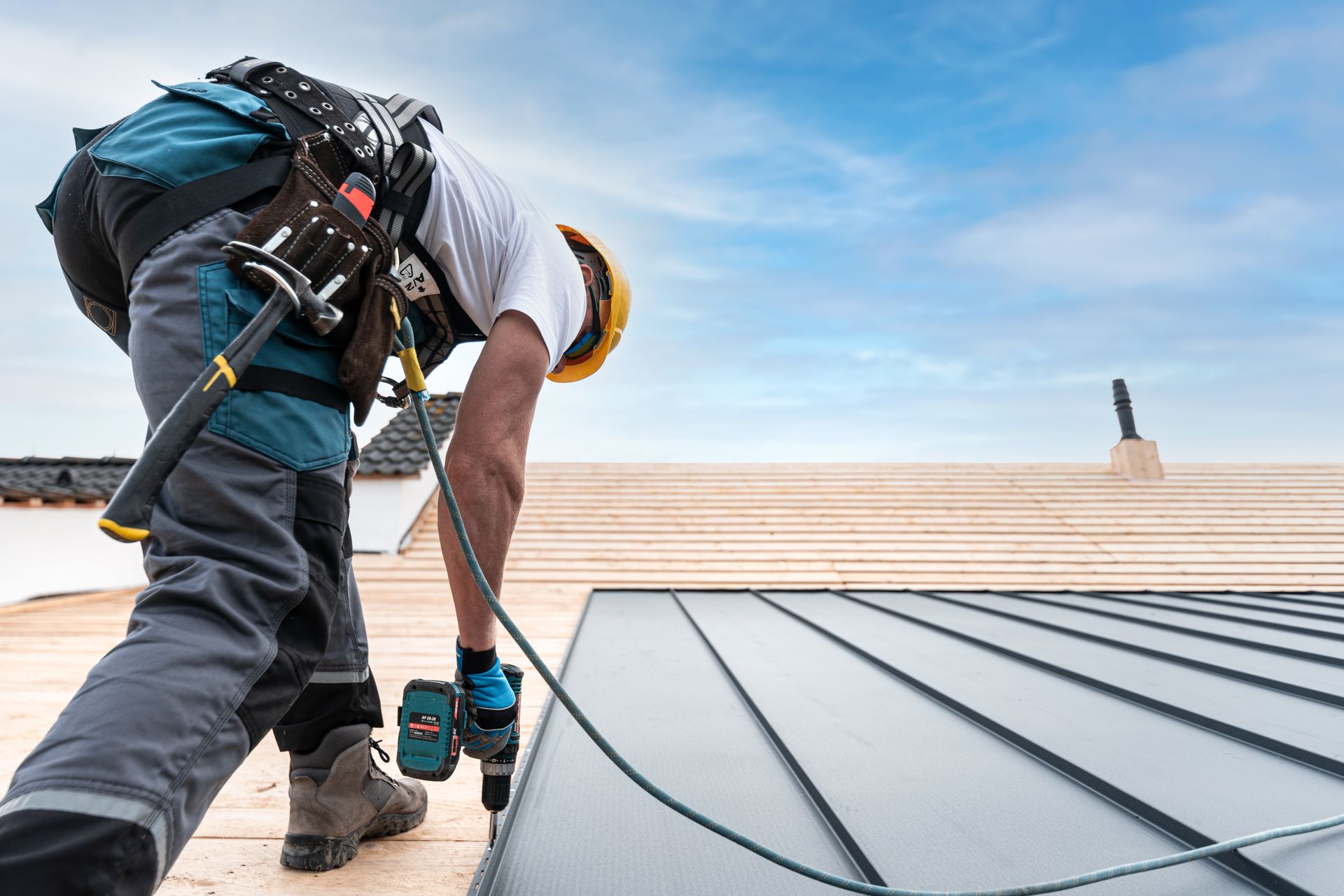
- Standing seam metal systems with concealed fastener designs, which reduce exposed metal points subject to corrosion.
Proper material selection is only part of the equation. Installation technique also plays a major role. Flashing details, edge securement, and penetration sealing all need to account for coastal exposure. Qualified roofers understand how these variables interact and can assess which combination may be most appropriate for a given property.
Why Local Expertise Matters on the Monterey Peninsula
Roofers need more than general experience. Familiarity with how the microclimate around Monterey Bay behaves across seasons, and how neighborhoods closer to the waterline face more aggressive salt exposure, informs smarter material choices and more thorough installation practices.
Local contractors may also be more familiar with permitting requirements and coastal zone considerations that can affect a project timeline. Selecting a contractor without regional knowledge may lead to delays or materials that underperform in the conditions Monterey homeowners deal with daily.
Connect With a Roofing Team That Knows Monterey’s Coast!
Marina-based Ross Roofing proudly serves Monterey, CA, and surrounding communities throughout the Monterey Peninsula as experienced roofing contractors. Our team has been working in this coastal environment since 1950, and we understand what it takes to build a roof that holds up against salt air, humidity, and Pacific weather. If your roof may be due for an inspection or replacement, we encourage you to check our Google Profile to read reviews from local customers. To speak with our team directly, call us at (831) 394-8581 .